
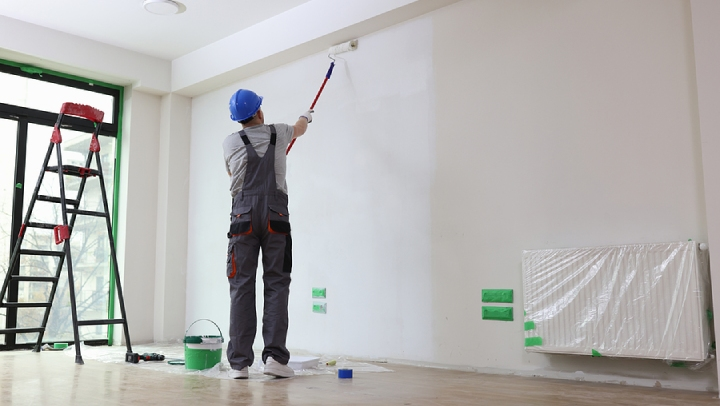
Fresh paint often signals a fresh start. A new lease signed, a redesigned layout, brighter walls and modern fittings – it all feels exciting. Yet behind that clean, polished look, there’s a growing conversation about indoor air quality and what employees are actually breathing in every day.
Singapore’s 2026 paint regulations have shifted the spotlight onto harmful emissions from building materials. If your company has recently renovated or is planning to move into a new office, this matters more than you might think.
What Is the NEA 2026 Paint Ban About?
The updated regulations focus on limiting volatile organic compounds (VOCs) in paints and coatings. VOCs are chemicals that evaporate into the air at room temperature. Many traditional paints release these compounds as they dry, contributing to indoor air pollution.
Formaldehyde is one of the most talked-about chemicals in this space. While it is commonly associated with pressed wood furniture and carpentry, certain coatings and finishes can also contribute to elevated indoor levels.
The goal of tighter controls is simple: healthier indoor environments. Offices, in particular, are enclosed spaces where people spend eight to ten hours a day. Even low-level exposure over time can affect comfort and wellbeing.
Why New Offices May Still Pose Risks
You might assume that new regulations mean zero risk. Unfortunately, that is not always the case.
Even with lower-VOC paints, other materials can still release formaldehyde. Carpets, partitions, plywood cabinetry, adhesives, laminates and even some ceiling panels may emit chemicals for months after installation. This process is known as off-gassing.
A newly renovated office may look spotless, but employees might notice persistent smells in the office that linger long after the contractors have left. These odours are often the first sign that airborne chemicals are still present.
Common symptoms linked to poor indoor air quality include:
- Headaches
- Eye, nose or throat irritation
- Dry skin
- Fatigue
- Difficulty concentrating
While these symptoms are usually mild, they can affect morale and productivity if left unaddressed.
Formaldehyde: The Hidden Concern
Formaldehyde is colourless but has a strong, distinctive smell at higher concentrations. It is widely used in resins that bind wood products together. Desks, shelves, built-in cabinets and partitions can all contain formaldehyde-based materials.
The concern is not just about short-term discomfort. Long-term exposure at elevated levels has been associated with more serious health risks. That is why Singapore’s safety guidelines recommend keeping indoor formaldehyde levels within safe limits.
For companies investing heavily in a new workspace, overlooking air quality can undermine the very environment they are trying to create.
How Renovations Increase Indoor Emissions
Renovation projects often involve multiple chemical-based products used within a short timeframe:
- Fresh paint
- Varnish and sealants
- Adhesives
- Engineered wood
- Vinyl flooring
- Acoustic panels
When all of these materials are introduced at once, emissions can accumulate in enclosed spaces. Air-conditioning systems may circulate the same indoor air repeatedly, slowing the natural dilution process.
Ventilation helps, but it does not always eliminate the problem completely, especially in sealed commercial buildings where windows cannot be opened.
Should Businesses Be Concerned?
The answer depends on the situation. Not every new office will have dangerous levels of formaldehyde. However, without testing, it is difficult to know.
Many businesses focus heavily on design, branding and layout but rarely consider air quality testing as part of the handover process. Yet employees’ health and comfort should be just as important as aesthetics.
A simple air quality assessment can provide clarity. It measures formaldehyde levels and identifies whether further action is needed.
What Is Formaldehyde Removal?
When elevated levels are detected, professional formaldehyde removal services can help reduce concentrations safely and effectively.
These services typically include:
- Pre-treatment air quality testing
- Application of specialised neutralising solutions
- Controlled ventilation techniques
- Post-treatment testing to confirm results
Unlike air fresheners or basic ventilation, professional treatment targets the chemical source and accelerates the breakdown process.
For businesses operating in competitive industries, this step demonstrates responsibility towards staff wellbeing. It also reduces the likelihood of complaints or productivity dips caused by indoor discomfort.
Why Air Quality Matters for Workplace Productivity
Modern offices are designed to encourage collaboration, focus and innovation. Yet poor air quality can subtly work against these goals.
Studies have shown that improved ventilation and lower pollutant levels are linked to better cognitive performance. Clearer air can mean clearer thinking.
Employees who feel physically comfortable are more likely to:
- Stay focused
- Experience fewer headaches
- Take fewer sick days
- Feel valued by their employer
Indoor air quality is not just a compliance issue; it is a leadership decision.
Signs Your Office May Need Testing
If your company has recently completed renovations or moved into a newly fitted space, look out for these indicators:
- Persistent chemical odours weeks after completion
- Staff reporting irritation or discomfort
- Recently installed carpentry or large quantities of engineered wood
- Enclosed spaces with limited natural ventilation
Even if no symptoms are reported, proactive testing offers peace of mind.
Practical Steps Before and After Renovation
Forward-thinking companies can take several measures:
Before Renovation
- Choose low-emission materials where possible
- Request product specifications from contractors
- Plan adequate airing-out periods
After Renovation
- Conduct professional air quality testing
- Increase ventilation temporarily
- Delay full occupancy if necessary
These steps reduce risk and create a smoother transition into the new workspace.
Compliance Is Only the Starting Point
Regulations establish minimum standards. They do not guarantee optimal conditions.
The NEA’s 2026 paint controls are a positive move towards healthier buildings, but they are just one piece of a larger indoor air quality puzzle. Furnishings, adhesives and composite wood products still require careful consideration.
Businesses that treat air quality as an afterthought may unknowingly expose employees to discomfort. Those who prioritise it build trust.
Creating a Truly Safe Office Environment
A safe office is not defined by modern furniture or sleek finishes. It is defined by how people feel when they work there.
Clear air supports clearer conversations, sharper thinking and healthier teams. It reflects a company that values long-term wellbeing over short-term convenience.
Renovations represent investment in branding, culture and growth. Ensuring healthy indoor air protects that investment.
If your organisation has recently renovated or is planning to move into a new office, now is the time to ask a simple question: Have we checked the air?
For professional guidance and reliable solutions, speak to Abba and take the next step towards a healthier workspace today.

 on Google