

A notification pops up on your phone. NEA has flagged a dengue cluster two streets away from your office. Your first instinct might be to shrug it off, telling yourself it’s a residential issue, not a workplace one. But here’s the thing: dengue does not care whether you are clocking in or clocking out. And if your office sits near an active cluster, it is time to act, not wait.
Singapore is no stranger to dengue season, and the numbers make that clear. According to figures from the National Environment Agency (NEA), almost 2,000 dengue cases were recorded in Singapore in the first five months of 2025 alone, with the warmer months from May to October typically seeing higher transmission due to accelerated mosquito development. That seasonal window is exactly when offices need to be most switched on.
Why Offices Cannot Afford to Be Passive
It is easy to assume that dengue is primarily a home problem. Mosquitoes breed in stagnant water in pots and pails at residences, after all. But workplaces have their own vulnerabilities: potted plants in lobbies, water features in common areas, drains, leaky pipes, and even the humble air-conditioning unit drip tray. Any of these can quietly become a breeding site.
The MOH’s Expert Panel on Dengue has noted that infected people can pass the virus to mosquitoes 24 to 48 hours before showing any symptoms, and asymptomatic cases may also infect mosquitoes without ever realising it. This is precisely what makes the office environment tricky. An employee could be incubating dengue without knowing, commute in, and if there are Aedes mosquitoes on the premises, the cycle continues.
There is also the broader question of illnesses employees catch in offices, which extends well beyond dengue and underscores why workplace hygiene and environmental cleanliness should never be treated as an afterthought.
Start with a Thorough Inspection
The moment you hear about a nearby cluster, the first order of business is a proper walkthrough of the office environment. Do not just look at the obvious spots.
Check these areas carefully:
- Potted plants and the trays beneath them (change water at least twice a week)
- Roof gutters, drains, and any outdoor landscaping near entrances
- Air-conditioning units, especially condensation drip trays
- Toilets that are infrequently used, where water can stagnate in bowls
- Storage areas and bin rooms that may have accumulated standing water
This is also a good time to engage professional services for a more thorough environmental clean. Offices that have not done a deep clean in a while may also want to consider formaldehyde removal services alongside their general cleaning, particularly if the space has recently been renovated or has poor ventilation, as indoor air quality can compound the health burden on employees whose immune systems are already under strain.
Communicate Clearly with Your Team
Employees deserve to know if a dengue cluster has been identified near the office. A short, clear message from management goes a long way in keeping everyone calm and informed without causing unnecessary alarm. Keep it factual: here is the situation, here is what we are doing about it, and here is what you can do too.
Dengue fever is not spread directly from person to person. It is transmitted to humans through the bite of an infected Aedes mosquito. The fever usually develops within four to seven days after being bitten. Sharing this with staff helps dispel panic while encouraging genuine vigilance.
Remind employees to watch for symptoms: sudden high fever, severe headache, pain behind the eyes, muscle and joint pain, nausea, and rashes. MOH advises that doctors should monitor dengue patients closely and look out for warning signs that may warrant a hospital referral. Anyone feeling unwell should seek medical attention promptly and not tough it out at the desk.
Practical Steps HR and Facilities Teams Should Take Now
Speed matters when a cluster is flagged nearby. Here is a quick action plan for offices:
- Alert facilities management to conduct an immediate mosquito breeding check of the entire premises
- Stock up on insect repellent and make it readily available at reception or pantry areas
- Remind employees to apply repellent before heading outdoors, especially during the morning and late afternoon when Aedes mosquitoes are most active
- Check with your building management about whether they have arranged for fogging or pest control in common areas
- Encourage employees who live in or near the flagged cluster zone to be extra vigilant at home too, since transmission happens in both directions
Employers can provide mosquito repellent to help protect employees, particularly if the workplace is in the vicinity of a dengue hotspot, and professional pest control services should be engaged to provide greater peace of mind.
Keep the Office Environment Clean and Inhospitable to Mosquitoes
A dengue cluster nearby is a nudge to raise your baseline hygiene standards across the board. Aedes mosquitoes do not need a pond to breed. A bottle cap of water is enough. Regular, thorough cleaning of the workspace, including areas that tend to be overlooked, significantly reduces the risk.
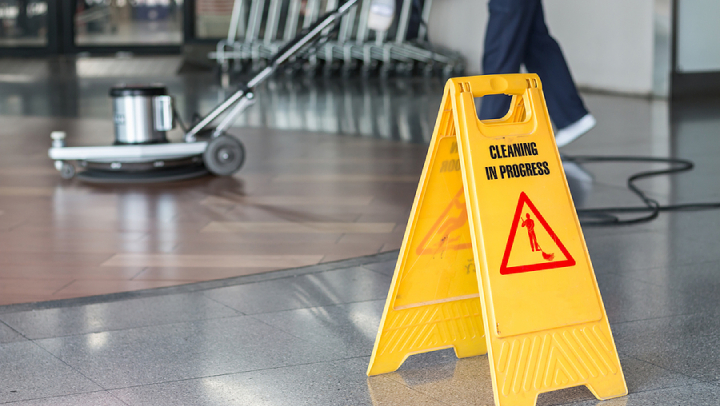
Think about the spaces that rarely get attention: under furniture, behind equipment, near window ledges, and in storage rooms. A professional cleaning service with experience in Singapore office environments will know exactly where to look and what to address.
This is also the right moment to review your cleaning frequency. If your office is currently on a fortnightly schedule, consider moving to weekly or even more frequent sessions during peak dengue season.
Do Not Treat It as a One-Off Reaction
The temptation after a cluster is resolved is to exhale and return to business as usual. Resist that. Dengue season in Singapore is not a one-week event. NEA has warned that Singapore’s low population immunity, combined with a global rise in dengue cases, could potentially lead to surges if insufficient action is taken. Sustained vigilance, not a single reactive clean, is what keeps a workplace truly safe.
Build dengue prevention into your regular facilities checklist. Make mosquito breeding checks a standing agenda item for building management meetings. Keep repellent stocked year-round. And ensure your cleaning team knows exactly what to look out for.
Keep Your Office Clean, Safe, and Ready
A dengue cluster in the neighbourhood is uncomfortable news, but it does not have to become a crisis for your team. Acting quickly, communicating clearly, and maintaining a clean environment are the three things that make the biggest difference.
Abba offers reliable office cleaning services designed to keep your workspace hygienic and well-maintained. Whether you need a one-time deep clean or a regular schedule to stay ahead of dengue season, our team is ready to help. Visit Abba to find out more and get your office sorted today.


 on Google