
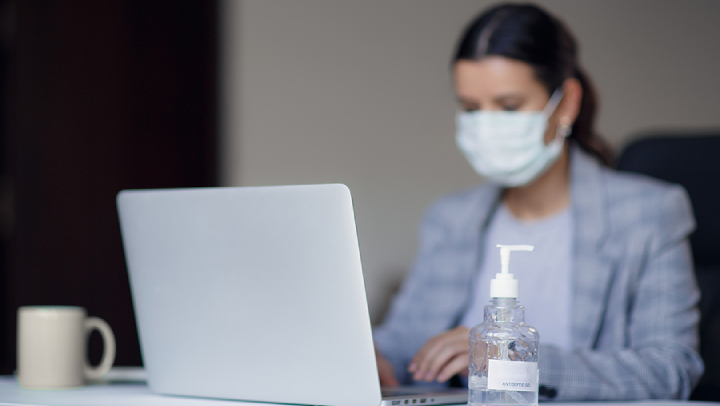
Offices may look clean and organised on the surface, but they are shared spaces where germs can spread easily. From keyboards and meeting rooms to air-conditioning systems and pantry areas, there are plenty of hidden touchpoints that can affect employee health. When people spend long hours in close proximity, even small hygiene gaps can lead to recurring illnesses that impact productivity, morale, and overall wellbeing.
Understanding the most common types of illnesses found in office environments is the first step towards creating a healthier workplace.
1. The Common Cold and Flu
Colds and flu are by far the most frequent illnesses passed around in offices. One person coming in slightly unwell can quickly lead to multiple colleagues falling sick within days.
Viruses spread through:
- Shared surfaces like keyboards, phones, and door handles
- Respiratory droplets from coughing or sneezing
- Close contact in meetings or shared workspaces
Air-conditioned environments can also dry out nasal passages, making it easier for viruses to take hold. Employees may not always take time off for mild symptoms, which increases the risk of spreading infections further.
Simple habits such as regular handwashing, wiping down desks, and encouraging sick employees to rest at home can go a long way in reducing transmission.
2. Gastrointestinal Infections
Food-related illnesses are another common issue, especially in offices with shared pantries or refrigerators. Improperly stored food, expired items, or poor hygiene practices can lead to bacteria spreading quickly.
Common causes include:
- Unclean microwave handles and fridge surfaces
- Sharing utensils or cups
- Leaving food out for too long
Symptoms such as stomach cramps, diarrhoea, and nausea can appear suddenly and spread if hygiene is not maintained. Regular cleaning of pantry areas and clear guidelines for food storage can help prevent these issues.
3. Allergies and Respiratory Irritation
Not all office-related illnesses come from viruses or bacteria. Dust, mould, and poor indoor air quality can trigger allergies and respiratory discomfort.
Employees may experience:
- Sneezing and runny noses
- Itchy eyes
- Persistent coughing
Carpets, curtains, and air-conditioning vents can trap dust and allergens over time. Without proper cleaning and maintenance, these irritants build up and affect daily comfort.
This is where professional support, such as a reliable cleaning services company in Singapore, can make a difference by ensuring that less obvious areas are thoroughly cleaned and maintained.
4. Sick Building Syndrome
Some employees feel unwell at work but notice their symptoms improve once they leave the office. This could be linked to indoor environmental factors such as poor ventilation, chemical exposure, or accumulated pollutants.
Common symptoms include:
- Headaches
- Fatigue
- Dizziness
- Dry throat or skin
Good ventilation, proper air filtration, and regular cleaning routines help reduce these issues. A well-maintained workspace not only improves comfort but also keeps sick building syndrome at bay.
5. Skin Irritations and Contact Issues
Shared office equipment and surfaces can sometimes lead to skin-related problems. Bacteria and allergens on desks, chairs, or communal items may cause irritation, especially for individuals with sensitive skin.
Examples include:
- Rashes from unclean surfaces
- Irritation from dust accumulation
- Reactions to cleaning chemicals if not properly handled
While these may seem minor, they can become uncomfortable and distracting over time. Keeping workstations clean and using safe, appropriate cleaning products helps reduce these risks.
6. Eye Strain and Related Discomfort
Although not infectious, eye strain is one of the most common health complaints in office environments. Long hours in front of screens, combined with poor lighting or dry air, can lead to discomfort.
Symptoms often include:
- Dry or watery eyes
- Blurred vision
- Headaches
Dust and particles in the air can also worsen eye irritation. Regular cleaning of screens, desks, and surrounding areas helps create a more comfortable environment for daily work.
7. Stress-Related Illnesses
Workplace health is not only about physical cleanliness. Stress and fatigue can weaken the immune system, making employees more vulnerable to common illnesses.
When employees feel overwhelmed, they may:
- Experience frequent headaches
- Have trouble sleeping
- Fall sick more often
A clean, organised workspace can contribute to a calmer environment. When clutter and hygiene concerns are reduced, employees can focus better and feel more at ease during the workday.
Why Cleanliness Plays a Bigger Role Than You Think
Many office illnesses are preventable with consistent and thoughtful cleaning practices. It is not just about keeping things looking neat, but about reducing invisible risks that build up over time.
High-touch areas such as:
- Lift buttons
- Meeting room tables
- Pantry counters
- Shared devices
need regular attention. Without proper cleaning routines, these spots can quickly become hotspots for germs.
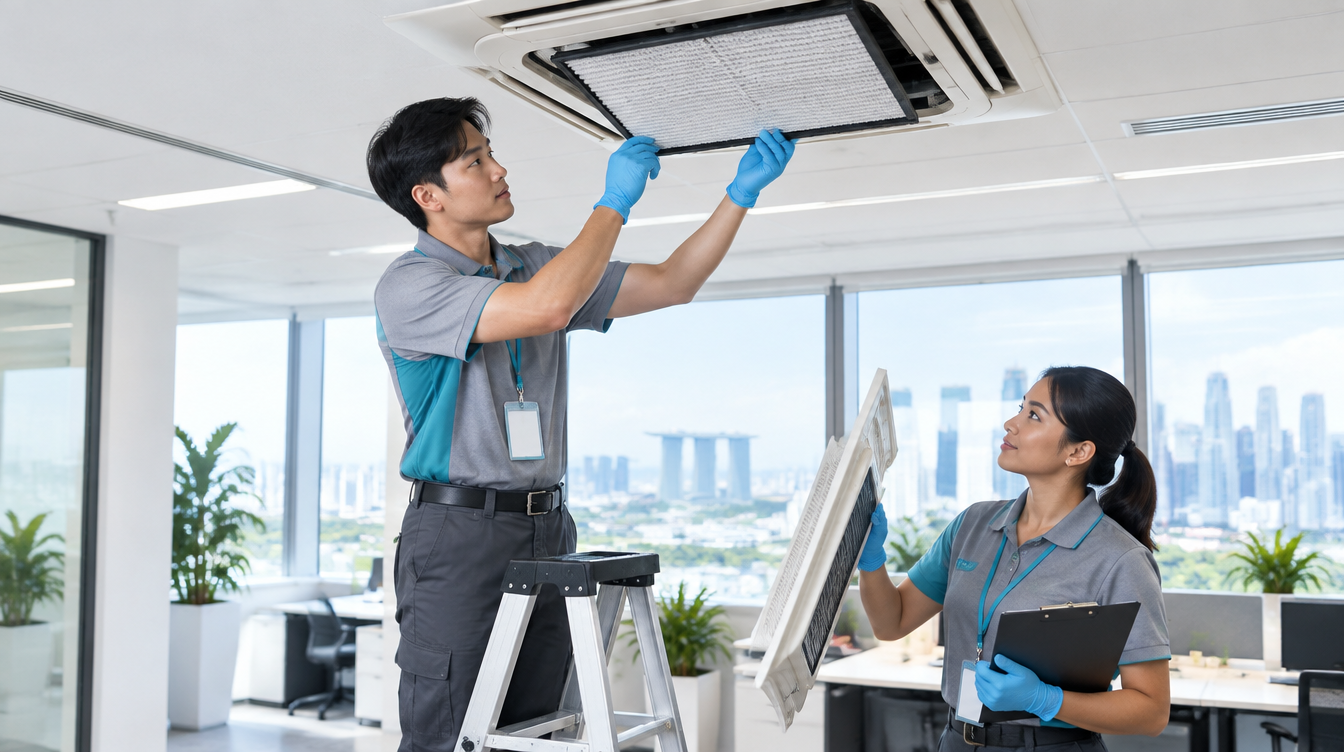
Professional cleaning also ensures that areas often overlooked during daily tidying, such as air vents, upholstery, and hidden corners, are properly addressed.
Practical Steps to Reduce Workplace Illness
Creating a healthier office does not require drastic changes. Small, consistent actions can make a noticeable difference:
- Encourage employees to clean their desks regularly
- Provide hand sanitisers in shared areas
- Set clear pantry hygiene guidelines
- Schedule routine deep cleaning sessions
- Ensure proper ventilation and airflow
When these steps are supported by a structured cleaning plan, the workplace becomes safer and more comfortable for everyone.
Building a Healthier Office Environment
A healthy office is not just about avoiding illness. It supports better focus, improves morale, and helps employees feel more valued in their workspace. When people feel well, they work better, collaborate more effectively, and take fewer sick days.
Employers who invest in proper hygiene and maintenance are also investing in their team’s long-term wellbeing.
Conclusion
Office environments naturally bring people together, but they also create opportunities for illnesses to spread if hygiene is overlooked. From common colds and food-related infections to allergies and environmental factors, many issues can be traced back to how well a workspace is maintained.
Taking a proactive approach to cleanliness helps reduce risks and creates a more comfortable place for everyone.
If you are looking to improve your office hygiene standards and create a healthier working environment, consider engaging Abba for professional cleaning solutions tailored to your workplace needs.


 on Google