
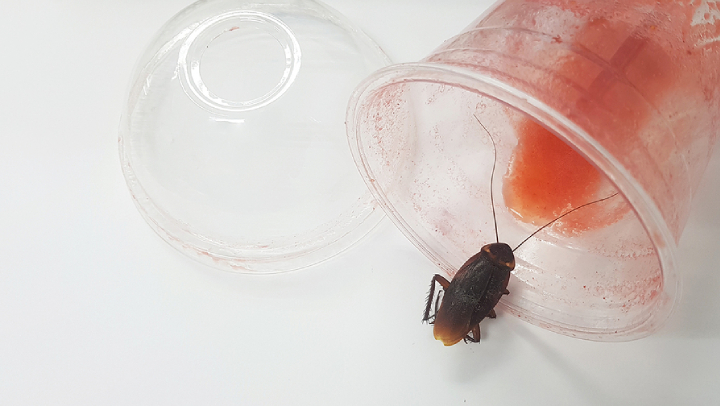
Nobody wants to look up from their desk and spot a cockroach scuttling across the floor. Yet it happens more often than most office managers care to admit, and the culprit is rarely obvious at first glance. Understanding how these pests find their way in is the first step towards keeping them out for good.
Cockroaches are survivors. They have been around for hundreds of millions of years, and they are exceptionally good at finding food, warmth, and shelter wherever humans gather. Offices, with their kitchenettes, waste bins, and hidden cavities, offer all three. The good news is that a cockroach problem is almost always preventable once you know what you are dealing with.
Why Offices Are More Vulnerable Than You Think
Most people associate cockroaches with homes or food establishments, but commercial spaces are just as appealing to them. An office building has multiple entry points, shared spaces, and a constant flow of people bringing things in from outside. All of this creates opportunities for pests to move in and set up quietly before anyone notices.
A common mistake is assuming that a clean-looking office is a safe one. Cockroaches do not need much to survive. Crumbs under a desk, a sticky spillage near the pantry sink, or a recycling bin that does not get emptied regularly are all enough to sustain a small colony. Combined with poor office carpet cleaning routines, the problem can escalate faster than expected. Carpets trap food debris, moisture, and organic matter that cockroaches feed on, and irregular cleaning gives them a consistent food source without any disruption.
The Most Common Entry Points
Cockroaches rarely walk through the front door. They are far more cunning than that. Here is how they typically find their way into office spaces:
- Delivery boxes and parcels. Cockroaches and their eggs can hitch a ride inside cardboard packaging. Boxes that have been stored in warehouses or delivery vehicles are a common vector, and once the box is inside your office, so are the stowaways.
- Gaps around pipes and cables. Any opening where plumbing or electrical cabling passes through a wall is a potential entry point. Even a small gap is more than enough for a cockroach to squeeze through.
- Shared walls and floors. If your office is in a commercial building, you share structural elements with other tenants. A cockroach infestation in a neighbouring unit can easily spread through wall cavities and ceiling voids.
- Kitchen and pantry drains. Drain openings are a direct route in from the building’s plumbing system. Cockroaches thrive in damp, dark conditions, and drains provide exactly that.
- Second-hand furniture and equipment. Office furniture brought in from storage or purchased second-hand can harbour cockroaches or egg cases without any visible signs.
What Attracts Them Once They Are Inside
Once a cockroach finds its way in, what it encounters next determines whether it stays. Poor food hygiene practices attract pests to your office far more than the physical space itself. Dirty dishes left in the pantry sink overnight, uncovered snacks stored in desk drawers, and overflowing bins are all signals that your office is a welcoming environment.
Moisture is another major draw. Cockroaches need water to survive, and any area with a persistent leak, condensation, or poor ventilation becomes a preferred habitat. This includes spaces behind refrigerators, under sinks, and around poorly sealed windows.
What You Should Do About It
The response to a cockroach sighting needs to be immediate and methodical. Spotting one cockroach in the daytime is particularly telling, as cockroaches are nocturnal by nature. If they are visible during office hours, there is likely a larger population hiding nearby.
Start with a thorough inspection of the pantry, storage rooms, and any areas where food is kept or consumed. Look for droppings, shed skins, and egg cases, which often appear in dark corners, behind appliances, and along skirting boards.
On the hygiene front, tighten up daily practices across the whole team. Food should be stored in sealed containers. Bins should be emptied daily and cleaned regularly. Spills should be cleaned up immediately rather than left for the next cleaning round.
Seal any visible gaps around pipes, cables, and skirting boards using appropriate filler. If your office is in a shared building, raise the matter with building management so the issue can be assessed across the whole property rather than just your unit.
For carpeted areas, step up your cleaning schedule. Cockroaches are often drawn to and sheltered by carpet fibres, particularly in areas with heavy foot traffic or near the pantry. Professional carpet cleaning removes the debris and moisture that carpets accumulate over time, eliminating one of the key conditions that allow cockroach populations to grow.
Where the infestation is already established, professional pest control is the most reliable solution. Over-the-counter sprays may knock back what you can see, but they rarely address the nest or the underlying conditions that drew the cockroaches in.
Keep Your Office Clean and Pest-Free
Cockroaches are opportunists. They enter through the gaps you have not noticed, feed on the crumbs you have not cleared, and multiply in the corners you have not cleaned. A consistent approach to office hygiene, combined with professional cleaning support, is your strongest line of defence.
If your office needs a thorough clean or a regular maintenance programme to help prevent pest problems before they start, Abba offers professional cleaning services tailored to commercial spaces. Get in touch with our team to find out how we can help keep your workplace clean, hygienic, and uninviting to unwanted guests.



 on Google