
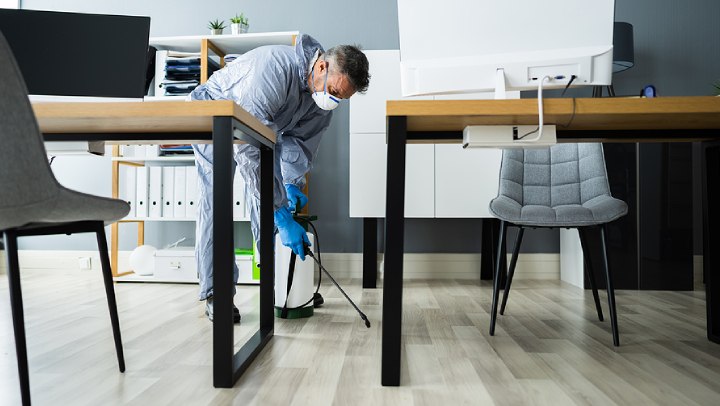
Pest problems at work are more common than most teams realise. A tidy-looking office can still hide the perfect conditions for insects and rodents to thrive. Small oversights, daily habits, and even the way a space is designed all play a role.
Creating a healthier workplace does not mean chasing perfection. It means understanding where issues start and taking simple, consistent steps to reduce risk. When everyone plays a part, it becomes much easier to maintain cleanliness between office cleanings and keep pests under control.
Alongside regular upkeep, many workplaces also turn to office disinfection services to support hygiene standards, especially in shared environments where germs and pests can spread quickly.
Here are four common reasons offices become vulnerable to pests, and what you can do about them.
1. Hidden Clutter Creates the Perfect Shelter
Clutter is not always obvious. Even offices that look neat on the surface can have storage areas packed with old files, unused equipment, or forgotten boxes.
These spaces are ideal for pests. Rodents look for quiet areas to build nests, while cockroaches and ants hide in dark corners where they are less likely to be disturbed.
A few simple changes can make a big difference:
- Store items in sealed cabinets instead of open shelves
- Avoid stacking boxes in ways that create gaps
- Clear out unused materials regularly
- Move towards digital storage where possible
Decluttering is not just about appearance. It removes hiding spots and makes it easier to spot early signs of pest activity before it becomes a bigger issue.
2. Eating at Desks Without Proper Clean-Up
Office routines have changed over the years, and more people now eat at their desks or within shared spaces. While convenient, this also increases the chances of crumbs, spills, and food waste being left behind.
Even small traces of food can attract pests. A few drops of sauce or overlooked crumbs under a keyboard can quickly become a food source.
To reduce this risk:
- Encourage wiping down desks after meals
- Provide separate bins for food waste
- Empty bins daily, especially in pantry areas
- Clean shared appliances like microwaves and fridges regularly
It also helps to build simple habits across the team. When everyone clears up after themselves, the overall environment stays cleaner and less inviting to pests.
3. Small Structural Gaps That Go Unnoticed
Pests do not need much space to enter. Tiny cracks in walls, gaps under doors, or openings around pipes can be enough.
These entry points are often ignored because they seem minor. However, they can quickly turn into pathways for insects and rodents to move in and settle.
Keep an eye out for:
- Cracks in walls or flooring
- Gaps around windows and doors
- Loose tiles or damaged fittings
- Openings near plumbing or wiring
Fixing these issues early is usually simple and cost-effective. Basic repairs like sealing cracks or installing door sweeps can significantly reduce the chances of pests entering the space.
If the problem feels larger, it may be worth consulting professionals who handle commercial maintenance or cleaning.
4. Everyday Habits and Workplace Culture
Sometimes, the biggest factor is not the space itself, but the habits within it.
When small tasks are delayed or ignored, problems build up. Leaving rubbish overnight, overlooking spills, or assuming someone else will handle cleaning can all contribute to pest issues.
Creating a shared sense of responsibility helps prevent this.
You can encourage better habits by:
- Setting clear expectations for cleanliness
- Assigning simple shared responsibilities
- Keeping cleaning supplies easily accessible
- Leading by example as a manager or team leader
A positive workplace culture makes a real difference. When people understand that their actions affect everyone, they are more likely to take ownership of their environment.
Why Prevention Matters More Than Cure
Pest control is not just about reacting to a problem. Once an infestation starts, it can spread quickly and disrupt daily operations.
Prevention, on the other hand, is far more manageable. It protects your team, your workspace, and even your company’s reputation.
A clean and well-maintained office also supports:
- Better employee wellbeing
- Improved productivity
- A more professional impression for clients and visitors
Combining daily habits with periodic professional cleaning can help keep standards consistent, especially in high-traffic or shared offices.
When to Consider Professional Support
Even with the best habits, some issues are not easy to handle alone. Persistent pest activity or recurring hygiene concerns may require a more structured approach.
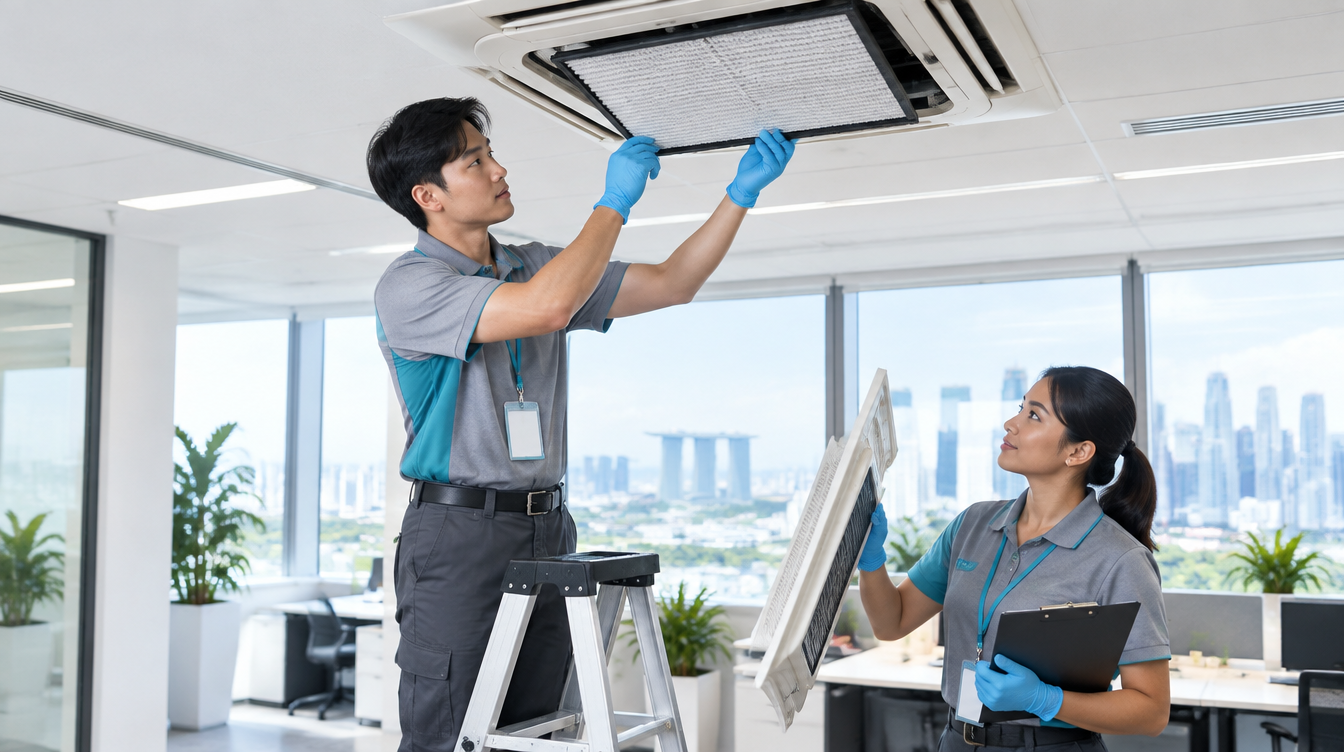
Professional cleaning providers can:
- Identify hidden problem areas
- Carry out deep cleaning and sanitation
- Recommend preventive measures tailored to your space
This added layer of support can be especially helpful for larger offices or workplaces with complex layouts.
Conclusion
Keeping pests out of the office is not about drastic measures. It comes down to awareness, consistency, and small daily actions that add up over time.
From reducing clutter to fixing minor structural issues and building better habits, each step helps create a safer and more comfortable environment for everyone.
If pest concerns are becoming difficult to manage, working with a professional office cleaning company in Singapore can provide the support you need. At Abba, a structured approach helps address existing issues while reducing future risks, so your team can focus on what matters most in a clean and healthy workspace.


 on Google