
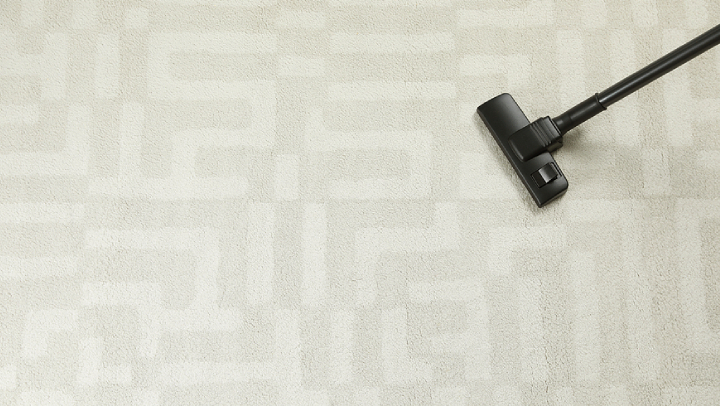
Flooring is one of the most important elements of any commercial or residential space. Not only does it contribute to the aesthetics and comfort of an environment, but it also plays a critical role in durability and maintenance costs over time. Carpets and tiles are among the most common flooring choices, each with their unique advantages—and cleaning requirements. Choosing the right approach to cleaning can significantly extend the life of your flooring, saving money and effort in the long term.
Understanding the nature of carpets and tiles
Carpets offer warmth, acoustic insulation, and a soft underfoot feel, making them ideal for offices, hotels, and homes. However, they are also more prone to trapping dust, dirt, and allergens, which can affect both hygiene and air quality if not cleaned regularly.
Tiles, on the other hand, are generally more durable and easier to clean on the surface. Commonly used in kitchens, bathrooms, and commercial settings, they can handle heavy foot traffic and spills better. Yet, grout lines can harbour bacteria and stains if neglected.
To preserve the appearance and function of either flooring type, a tailored cleaning approach is essential.
Routine maintenance makes all the difference
The key to extending the life of your flooring starts with routine care. For carpets, this means vacuuming at least two to three times a week in high-traffic areas to remove debris that can wear down fibres. For tiles, sweeping and mopping with a pH-neutral cleaner helps prevent the accumulation of grime and mould in grout lines.
While routine maintenance may seem minor, it plays a major role in preventing long-term damage. Regular carpet cleaning reduces the need for frequent replacements and helps maintain the flooring’s original look and feel.
Deep cleaning strategies for carpets
Despite regular vacuuming, carpets require periodic deep cleaning to remove embedded dirt, odours, and stains. Carpet shampooing is a common method that involves applying a foaming detergent and agitating the carpet to loosen particles before rinsing and drying. It’s effective for lifting stubborn grime but must be performed carefully to avoid over-wetting, which can cause mould or mildew.
Another effective deep cleaning method is hot water extraction. This process injects hot water and detergent into the carpet and then extracts it, along with dirt and allergens. It’s ideal for thorough sanitation and is often recommended every 6 to 12 months, depending on usage.
Regardless of the method, deep carpet cleaning is best handled by professional cleaning services in Singapore, especially in commercial spaces where maintenance standards must meet health and safety regulations.
Effective cleaning methods for tiles
Tiles are generally more forgiving than carpets but still require occasional deep cleaning to maintain their shine and hygiene. Mopping with harsh chemicals can wear down the surface glaze over time, so it’s important to use appropriate tile-safe products.
Grout lines are especially vulnerable. Over time, they can discolour and accumulate bacteria, particularly in areas exposed to moisture. A mix of baking soda and vinegar can be an effective DIY solution for light grout cleaning, but for extensive build-up, a steam cleaner or specialised grout brush may be necessary.
Periodic sealing of grout can also prevent future staining and make cleaning easier. This small step can drastically prolong the life of tiled flooring and keep it looking new.
When to call in the professionals
Whether you’re dealing with stubborn carpet stains or stained tile grout, knowing when to hire professionals can make a significant difference. Cleaning companies have access to industrial-grade equipment and expertise that go far beyond the scope of household products.
Professional cleaning services often offer tailored packages based on floor type, traffic levels, and industry needs. For instance, a hotel with plush carpeting in every room requires a different approach than a tile-floored restaurant kitchen. These professionals can also spot early signs of flooring wear and recommend preventive maintenance strategies.
In addition, outsourcing cleaning tasks saves time and ensures that all work is compliant with local health and hygiene standards—especially important in commercial environments such as offices, clinics, and schools.
Balancing cost, effort, and longevity
Investing in the right cleaning routine isn’t just about aesthetics; it’s about value over time. Carpets may need more frequent attention, but they provide comfort and noise reduction. Tiles may be easier to maintain but still require proper care to keep grout clean and surfaces shiny.
A good strategy balances daily upkeep with periodic deep cleaning. Using mild, floor-appropriate cleaners regularly and calling in professionals at set intervals will help prevent long-term damage, ensuring your flooring continues to serve its purpose for years.
Conclusion
Carpet and tile each offer distinct benefits, but they also demand unique care routines to ensure they remain in top condition. Understanding the cleaning needs of each flooring type—and implementing both regular and deep-cleaning strategies—can significantly extend their lifespan.
Whether your space is carpeted or tiled, working with an experienced cleaning partner ensures you get the most out of your investment. For reliable and tailored cleaning solutions that help preserve your flooring and uphold cleanliness standards, consider Abba.

 on Google