
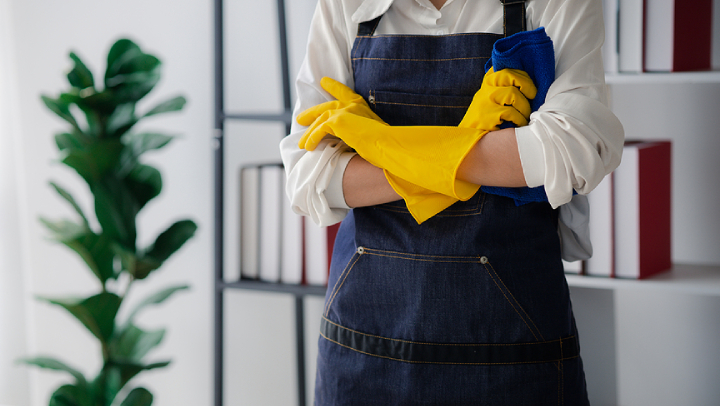
Tech startups and IT firms are known for their fast-paced environments, innovative cultures, and heavy reliance on equipment and connectivity. While these qualities fuel growth, they also present unique challenges when it comes to maintaining a clean and healthy workplace. For companies where technology is central, cleanliness isn’t just about aesthetics—it’s crucial for productivity, employee wellbeing, and even hardware longevity.
Dust and device management should be a top priority
Tech offices often house an array of devices: servers, monitors, keyboards, and other peripherals. These are magnets for dust as well as dirt and grime, which can build up in vents, fans, and other components, potentially leading to overheating and malfunction. Regular wiping down of surfaces with microfibre cloths, vacuuming with HEPA filters, and careful air quality control can go a long way in protecting sensitive electronics. Cleaning schedules should focus on equipment-heavy areas and server rooms, where even a small dust layer can reduce cooling efficiency.
Shared spaces need daily attention
Startups typically favour open-plan layouts and hot-desking arrangements to encourage collaboration. However, these shared spaces often become hotspots for germs and clutter. Communal keyboards, mouse devices, phones, and desks should be disinfected daily to prevent the spread of illness. Pantry areas and breakout rooms should also be maintained with care, as food spills and moisture attract pests and odours. Engaging professional cleaning services in Singapore ensures that these high-traffic areas receive consistent, thorough attention.
Carpeted flooring requires regular deep cleaning
Many tech offices opt for carpeted flooring to absorb sound and create a more relaxed environment. While carpets are effective at noise reduction, they also trap dust, allergens, and odours. A simple vacuuming routine is insufficient to tackle deep-set grime. Scheduling office carpet cleaning every few months can help prevent build-up that affects both air quality and appearance. Consider using low-moisture or eco-friendly cleaning methods that minimise disruption to daily operations.
Cable clutter and workstation cleanliness must be maintained
Tangled cables and wires are common in IT environments, especially when multiple devices are used simultaneously. Not only is this an eyesore, but it also complicates cleaning efforts and can pose tripping hazards. Encourage staff to use cable organisers or wireless solutions where possible. Cleaning teams should be trained to clean around cable systems carefully, using appropriate tools to avoid unplugging or damaging any connections.
Server rooms need specialised cleaning protocols
Server rooms are the nerve centre of any tech startup. They must remain clean, cool, and controlled. Traditional mopping and vacuuming techniques are unsuitable here due to the sensitivity of the equipment. Instead, antistatic tools, dry cleaning methods, and strict access control should be part of the protocol. Even the floors and ceilings of these rooms need regular dust removal, and air filters should be replaced frequently to keep the space dust-free.
Disinfection routines should be adapted for hybrid work trends
Many startups have adopted hybrid or remote-first working models. This means offices may have varying occupancy levels throughout the week. Cleaning schedules should be flexible, increasing frequency after high-traffic periods and reducing it during off-days. Additionally, touchpoints such as lift buttons, door handles, and light switches should be disinfected routinely, regardless of headcount, to maintain a hygienic baseline.
Eco-conscious cleaning practices align with startup values
Sustainability is a key value for many new tech firms. Integrating green cleaning practices can support this ethos. Opting for biodegradable products, reusable materials, and energy-efficient equipment can reduce environmental impact without compromising on hygiene. Educating employees on best practices, such as using fewer paper towels or proper recycling, can also promote a cleaner and greener workplace.
Flexible cleaning services support rapid growth
Tech startups can scale quickly, shifting from a team of five to fifty within months. Their office layouts and requirements may also change with each growth phase. Partnering with a cleaning service that offers flexible plans—be it daily, weekly, or ad-hoc—is essential. This allows the business to scale its cleaning requirements in line with team size, equipment load, and space usage.
Conclusion
A clean and well-maintained office environment is essential for tech startups and IT firms aiming for sustained growth and performance. Attention to shared spaces, device hygiene, and specialised zones like server rooms contributes to a healthier, more efficient workplace. Engaging a trusted partner like Abba ensures your cleaning needs are met with professionalism, flexibility, and industry-specific care.

 on Google