
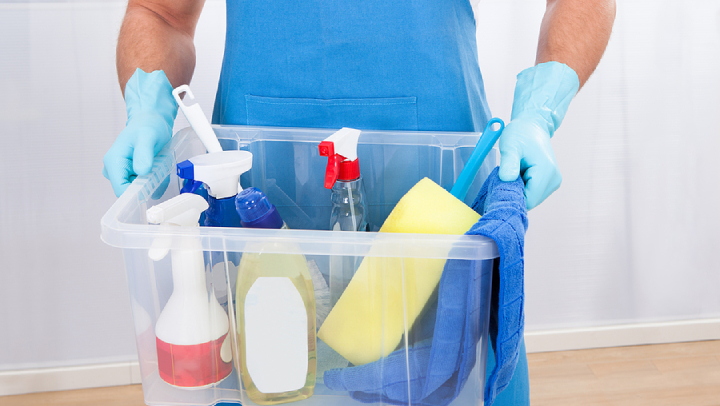
Singapore offices are rethinking what a clean workspace should actually look like. For years, “clean” meant heavy-duty chemicals, disposable everything, and a strong smell of bleach lingering in the air long after the cleaners had gone home. That approach got the job done, but it left behind more than a tidy desk. Harsh chemical runoff, mountains of single-use plastic, and indoor air quality issues have quietly become the price tag attached to spotless floors and gleaming pantries.
The good news is that hygiene and sustainability are no longer at odds with one another. Green cleaning products have come a long way, and many now perform just as well as their chemical-heavy counterparts, sometimes better, without the toxic fumes or environmental fallout. Businesses across the island are catching on, and more companies are asking their cleaning partners a simple question: can we keep our office spotless without harming the planet or our staff’s health in the process? The answer, as it turns out, is yes.
Why Sustainable Cleaning Is Gaining Ground in Singapore Offices
Singapore has positioned itself as a regional leader in sustainability, from the Green Plan 2030 to stricter building certification standards under the BCA Green Mark scheme. Offices are following suit, not because they are forced to, but because employees and clients increasingly expect it. A workplace that smells faintly of essential oils rather than industrial disinfectant, and that uses biodegradable wipes instead of plastic-wrapped ones, sends a quiet but clear signal about the values a company holds.
There’s also a practical angle. Many green cleaning products are formulated to be just as effective at killing bacteria and viruses as traditional chemical cleaners, particularly the plant-based disinfectants that have been developed and tested over the past decade. The days of choosing between “safe” and “effective” are largely behind us.
What Sustainable Office Cleaning Actually Involves
Sustainable cleaning isn’t a single product swap. It’s a broader shift in how a workspace is maintained day to day. A few of the changes offices are making include:
- Switching to biodegradable, plant-based cleaning agents that break down safely rather than sitting in waterways
- Using microfibre cloths and mops instead of disposable paper products, cutting down on daily waste
- Installing refillable dispensers for hand soap and sanitiser rather than buying single-use bottles repeatedly
- Choosing concentrated cleaning solutions that reduce packaging and transport emissions
- Training cleaning staff on dilution ratios so products aren’t overused or wasted
None of these changes require a dramatic overhaul of the office. Most can be introduced gradually, starting with the highest-traffic areas like pantries, restrooms, and shared meeting rooms.
Hygiene Standards Don’t Have to Take a Back Seat
A common worry among office managers is that going green means loosening hygiene standards, especially after the past few years reminded everyone how quickly germs spread through a shared workspace. This concern is understandable but largely unfounded. Reputable green disinfectants are tested against the same efficacy benchmarks as conventional ones, and many carry certifications proving they eliminate common bacteria and viruses just as reliably.
The real difference lies in execution. A cleaning schedule built around high-touch surfaces, such as door handles, lift buttons, shared keyboards, and pantry counters, counts for far more than which brand of spray is used. This is where working with an experienced office cleaning services company makes a genuine difference. A team that understands both sustainable practices and proper disinfection protocols can build a cleaning routine that ticks both boxes rather than sacrificing one for the other.
For small and medium enterprises watching their budgets closely, this combination often ends up being the best value for SMEs, since it avoids the hidden costs of poor hygiene, like sick leave and lost productivity, while still keeping operational spending reasonable.
Choosing a Cleaning Partner That Gets the Balance Right
Not every cleaning provider has caught up with the shift towards sustainability, so it helps to ask a few direct questions before signing on. Does the company use certified eco-friendly products, or is “green” just a word on their brochure? Are their staff trained on both sustainable practices and infection control? Can they tailor a cleaning schedule to your office’s specific layout and traffic patterns, rather than applying a one-size-fits-all checklist?
A cleaning partner that can answer these confidently is usually one that has invested time into staying current with both environmental and hygiene standards. This tends to show up in small details too, such as how they store chemicals, if they separate cleaning tools by zone to avoid cross-contamination, and how transparent they are about the products they bring into your office.
Small Changes That Add Up Over Time
Offices that have made the switch often notice the shift isn’t dramatic on any single day, but it becomes clear over weeks and months. Air feels a little fresher without the residue of strong chemicals. Bins fill up more slowly once disposable items are swapped for reusable ones. Staff occasionally comment on the change, particularly those who are sensitive to strong scents or who have allergies triggered by traditional disinfectants.
There’s also a knock-on effect on how staff feel about their workplace. Employees are increasingly drawn to companies that visibly act on their environmental commitments rather than simply stating them in a mission statement. A pantry stocked with refillable dispensers or a noticeboard explaining the office’s move to biodegradable products can spark genuine conversation, and sometimes even encourage staff to adopt similar habits at home.
Cost savings can appear too, particularly with concentrated products and refillable systems that reduce how often supplies need reordering. These savings are rarely the main motivation for going green, but they’re a welcome side effect for offices watching their budgets.
Making the Move at Your Own Pace
There’s no need to overhaul an entire cleaning regime overnight. Many offices start with one or two changes, such as switching to biodegradable disinfectants in the pantry or introducing refillable soap dispensers in the restrooms, before expanding further. The key is finding a cleaning provider willing to work at that pace, rather than pushing a rigid package that doesn’t fit your office’s needs or timeline.
Sustainability and hygiene were once treated as a trade-off, but that thinking is fading fast. With the right products, the right training, and a cleaning partner who understands both sides of the equation, offices can maintain the high standards their staff and clients expect while doing right by the environment.
If you’re ready to bring sustainable, hygiene-first cleaning into your workplace, Abba offers tailored office cleaning solutions built around your space and schedule. Reach out to see how a cleaner, greener office could look for your team.


 on Google