
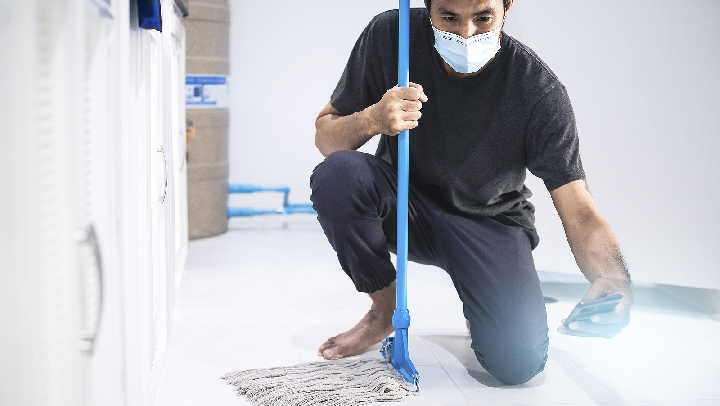
A pristine office is more than just visually appealing – it’s a reflection of your company’s professionalism, a contributor to employee wellbeing and a foundation for productivity. Yet, many workplaces suffer from inadequate cleaning standards that go unnoticed until a problem becomes significant. Whether you’re a business owner, office manager, or facilities coordinator, recognising the common red flags of inadequate office cleaning is essential to maintaining a healthy and efficient work environment.
1. Persistent Unpleasant Odours
Few things can detract from a workspace quite like a lingering unpleasant smell. If employees or visitors notice persistent odours, whether from kitchen areas, restrooms, carpets, or upholstery, this is often a clear sign that your current cleaning approach isn’t cutting it.
Unpleasant odours usually indicate the presence of bacteria, mould, food waste or trapped moisture that hasn’t been properly addressed. Regular cleaning may superficially wipe down surfaces but fail to tackle the source of the unpleasant smell in offices. For example, carpets and fabric chairs can trap odours deep within the fibres if they aren’t regularly and thoroughly cleaned.
This is where professional services, such as upholstery cleaning in Singapore, can make a dramatic difference. These services use specialised equipment and techniques to remove deeply embedded dirt and odours that everyday cleaning methods simply can’t reach.
Ongoing odour issues don’t just create an uncomfortable environment – they can signal potentially unsanitary conditions that could affect both employees’ health and your company’s image.
2. Visible Dust and Grime on Surfaces
Have you ever noticed dust gathering on office shelves, computers or window sills shortly after cleaning? This is more than just a minor annoyance. Visible dust and grime are one of the most obvious red flags that an office cleaning regime lacks thoroughness and consistency.
Dust accumulation is not only unsightly; it can also exacerbate allergies and respiratory problems amongst staff. Dust on electronic equipment can lead to overheating and damage over time. Inadequate attention to corners and high-touch areas is usually a symptom of superficial cleaning that focuses only on what’s obvious and easy to reach.
If dust appears almost immediately after cleaning, it may mean that your cleaners are merely skimming surfaces without using the proper tools or techniques. Regular, deep cleaning, including vacuuming with HEPA filters and dusting that reaches beneath and behind furniture, is crucial to keeping workspaces genuinely clean.
3. Stains That Never Go Away
Stubborn stains on carpets, upholstery or flooring are often tolerated far too long in office environments. Whether they’re from coffee spills, food, ink or other substances, stains that never seem to disappear after cleaning point to a deeper problem: a lack of effective stain removal processes.
Stains don’t just look unprofessional; they can be breeding grounds for bacteria and odours. Standard cleaning by janitorial staff typically focuses on surface appearance, while true stain removal often requires specialised knowledge and products. For instance, certain types of stains need precise chemical applications and agitation techniques to be fully lifted from fabric and carpet fibres.
If your office has deeply embedded stains that remain day after day, it’s a sign your current cleaning strategy is not comprehensive enough. Regular professional interventions can help restore the appearance and hygiene of your office environment, ensuring that stains are treated properly rather than simply hidden.
4. Frequent Sick Days and Complaints About Air Quality
A workspace that isn’t properly cleaned can directly impact employee health. One of the most silent but significant red flags of inadequate cleaning is an increase in staff complaints about air quality or a noticeable rise in sick days.
Poor air quality may stem from dust, mould spores, volatile organic compounds (VOCs) or built-up contaminants in ventilation systems, carpets and upholstery. Some offices unknowingly harbour harmful pollutants that reduce air quality. For example, off-gassing from new furniture or building materials can release formaldehyde and other VOCs.
While general cleaning won’t tackle airborne pollutants effectively, specialised procedures such as formaldehyde removal and thorough air duct and HVAC cleaning can significantly improve indoor air quality. Employees who constantly feel under the weather at work may be reacting to such unseen contaminants.
A high rate of sick days affects productivity, morale and overall workplace satisfaction. When health complaints coincide with a lack of rigorous cleaning, it’s time to reassess your approach.
5. Inconsistent Cleaning Schedules and Standards
Perhaps one of the most telling signs of inadequate office cleaning is inconsistency. You might notice that certain areas of your office, like the reception, kitchen or bathrooms, are cleaned more regularly than others, while workstations, meeting rooms or high-touch surfaces are neglected.
Inconsistent cleaning can happen when tasks aren’t clearly defined, schedules aren’t adhered to, or cleaning staff are overworked and under-resourced. It can also be a symptom of using a cleaning provider that doesn’t understand the unique needs of your workspace.
Offices with varying standards of cleanliness from one day to the next create an unpredictable environment for staff and visitors alike. A reliable, structured cleaning schedule ensures that every corner of your office receives attention on a consistent basis – from floor to ceiling, and from desks to shared equipment.
Why Addressing These Red Flags Matters
Recognising these red flags is the first step, but addressing them promptly is critical to fostering a professional and healthy workplace.
A clean office contributes directly to:
- Employee wellbeing: A hygienic environment reduces sickness, allergies and complaints about air quality.
- Productivity: Clean workspaces improve focus and efficiency.
- Company reputation: Clients and visitors form instant impressions based on the look and feel of your office.
- Longevity of assets: Regular, thorough cleaning maintains furniture, flooring and equipment, reducing replacement costs over time.
Overlooking cleaning problems may not seem urgent, but small issues often snowball into larger ones. Dust and grime can become entrenched, odours can become harder to eliminate, and health complaints can increase.
Taking Action: What You Can Do Next
If you’ve noticed one or more of the red flags described above, here’s a simple action plan to help you move forward:
1. Conduct a cleanliness audit: Walk through your office with a checklist of critical areas, including high-touch surfaces, carpets and upholstery, to assess current conditions.
2. Solicit staff feedback: Ask employees what they notice most about the office environment and if they have concerns.
3. Review your cleaning contract: Ensure your cleaning provider offers comprehensive services, clear schedules, and accountability.
4. Consider specialist services: Regular deep cleaning, such as upholstery care or formaldehyde removal, can supplement routine cleaning and address specific concerns.
5. Establish clear standards: Communicate expectations with your cleaning team and set measurable goals for cleanliness.
Enhancing Your Office Environment with Expert Cleaning
Identifying the red flags of inadequate office cleaning is the first step toward creating a workspace that supports health, productivity and professional pride. From persistent odours and visible grime to air quality issues and inconsistent schedules, these signs shouldn’t be ignored.
For businesses seeking reliable, high-quality office cleaning solutions, Abba offers tailored services that help keep your workspace spotless and healthy. Visit Abba to discover how our professional approach can transform your office environment and address the red flags you’ve been concerned about.

 on Google