
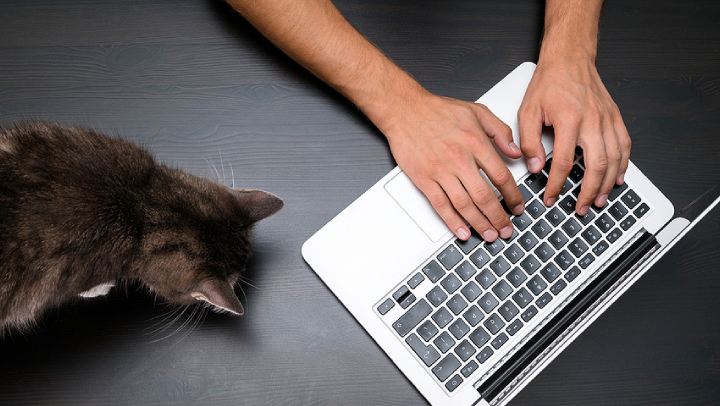
In Singapore, pets are increasingly regarded as cherished family members, bringing comfort and emotional support to their owners. As work-life integration becomes a growing priority, more professionals are keen to have their furry companions with them, even in the office. This cultural shift has prompted an increasing number of employers to implement pet-friendly workplace policies as a means of attracting and retaining talent as well as encouraging a more pleasant and engaging office culture.
While the benefits of a pet-friendly workplace are numerous, ranging from reduced stress to enhanced social interaction, it’s important not to overlook the logistical implications. Maintaining cleanliness, managing allergens, and ensuring comfort for all employees—pet lovers or not—are vital considerations. As more Singapore-based companies like Carousell and co-working spaces such as Gather Cowork adopt pet-inclusive policies, having a structured approach to hygiene becomes essential.
This article outlines practical and sustainable ways to keep your workspace clean, fresh, and healthy for everyone, pets included.
Establishing Clear Guidelines Before Welcoming Pets
Before pets make their debut at work, foundational policies must be developed. Clear, written guidelines on pet conduct, hygiene expectations, and designated pet zones help to set the tone for a respectful and responsible environment. These policies should be communicated to all employees and, ideally, included in onboarding materials or shared via internal HR platforms.
Employers may find it helpful to engage professional cleaning services that are well-versed in maintaining cleanliness in pet-friendly environments. These companies often have specialised knowledge and tools to address challenges such as fur accumulation, odour control, and allergen management, helping maintain a professional office appearance despite the added foot (and paw) traffic.
Addressing Common Pet-Related Messes
Fur Management
All pets leave traces behind (including low-shedding breeds), whether it’s fur on upholstery, carpets, or clothing. To combat this, regular carpet cleaning and vacuuming using HEPA-filtered machines is a must. These vacuums can capture fine particles like pet dander, which contributes to allergies and respiratory discomfort.
Additionally, keep lint rollers accessible in common areas such as lobbies, meeting rooms, and pantries. Encourage employees to use them when needed to maintain a tidy appearance throughout the day. For office furniture and cushioned seats, scheduled upholstery cleaning can help prevent fur buildup and extend the lifespan of your furnishings.
Odour Control
Pet odours can become problematic in enclosed office spaces. A strong first line of defence is improved ventilation—open windows when possible and install exhaust fans in areas where pets congregate. Investing in high-quality air purifiers equipped with activated carbon and HEPA filters can help neutralise odours while removing allergens and fine dust.
Be cautious with scented air fresheners or cleaning products. Many contain compounds that simply mask smells and may even trigger pet sensitivities. If fragrance is necessary, opt for pet-safe, natural formulations and always check that essential oils or ingredients like phenols, which are toxic to cats and dogs, are absent.
Pet Accidents
Even the most well-trained pets can have the occasional accident. Immediate cleanup is crucial. Use enzymatic cleaners that break down organic waste and neutralise odours at the molecular level. Avoid ammonia-based products, as their scent can resemble urine to some animals and encourage repeat accidents.
Keep emergency cleaning kits in easily accessible locations such as the pantry or reception area. Include absorbent paper towels, pet-safe disinfectant sprays, gloves, and waste disposal bags.
Implementing Safe, Pet-Friendly Cleaning Protocols
Introducing pets into the workplace necessitates a shift in your cleaning approach. Traditional commercial-grade cleaning agents may be effective against germs, but many contain chemicals harmful to animals, such as bleach, ammonia, and phenol derivatives.
Instead, use pet-friendly, non-toxic, and biodegradable cleaning agents. These should be free of harsh solvents, artificial fragrances, and known allergens. However, keep in mind that “natural” doesn’t always mean “safe.” For instance, limonene, a citrus-derived compound, can irritate pets’ respiratory systems or cause skin reactions in high concentrations.
Partnering with suppliers who specialise in pet-safe cleaning products can make this transition easier. Also, provide training or reference guides to your in-house or contracted cleaning team so they understand how to adjust their practices appropriately.
Creating and Maintaining a Cleaning Schedule
Pet-friendly offices need enhanced cleaning schedules to accommodate the added variables that animals introduce. This includes more frequent mopping, dusting, and disinfecting, particularly in high-touch areas like doorknobs, desks, and communal seating.
Establish daily, weekly, and monthly routines:
- Daily: Empty waste bins, spot-clean messes, disinfect shared surfaces.
- Weekly: Deep clean floors, wash pet bedding, vacuum thoroughly.
- Monthly: Perform intensive carpet and upholstery cleaning, change air purifier filters, and sanitise ventilation systems.
Be sure to tailor the schedule based on pet frequency. Offices with daily pet attendance will require more frequent deep-cleaning cycles compared to those with occasional visitors.
Minimising Health Risks and Allergen Exposure
Pets may provide comfort, but they can also trigger allergic reactions in some individuals. Pet dander, fur, and even saliva can linger in office environments and cause discomfort or health issues for sensitive individuals.
To accommodate everyone, conduct an internal survey before implementing pet-friendly policies. Determine if any staff members have allergies or underlying conditions that may be aggravated by pet exposure. Based on this feedback:
- Establish pet-free zones or workstations
- Install HEPA-grade air filtration systems in communal areas
- Allow flexible work arrangements for those who are significantly affected
Transparency and open communication are key. When employees feel heard and supported, they’re more likely to adapt positively to the presence of pets in the workplace.
Fostering a Culture of Responsibility
Creating a pet-inclusive workspace is not only about policy but also about cultivating a sense of shared responsibility. Pet owners must take full accountability for their animals’ behaviour, hygiene, and impact on the space.
Some ways to support responsible pet ownership include:
- Posting clear signage reminding employees to clean up after their pets
- Providing designated pet relief areas outdoors, complete with waste bins and biodegradable bags
- Offering orientation materials or brief training sessions for new pet owners in the office
Make it clear that this is a privilege, not an entitlement. Outline the consequences for non-compliance to maintain standards and avoid friction between employees.
Conclusion
Incorporating pets into the workplace can significantly enhance employee morale, reduce stress, and foster a more collaborative and relaxed atmosphere. However, the decision to make a workspace pet-friendly must come with a commitment to cleanliness, health, and mutual respect.
Through thoughtful policies, responsible cleaning practices, and proactive communication, businesses can strike the right balance, creating an environment where both humans and their four-legged companions can thrive.
Pet-friendly offices need more than just the occasional sweep. Abba offers customised cleaning solutions that tackle fur, odours, and paw prints, all without disrupting your workflow. Let us help you keep tails wagging and your space sparkling.

 on Google