

When moving into a new office space, many businesses focus on aesthetics, layout, and productivity. Yet one often-overlooked concern is the indoor air quality — especially the presence of formaldehyde. This colourless gas is commonly emitted from new furniture, flooring, and building materials. While it may seem harmless, prolonged exposure to formaldehyde can affect the health and comfort of employees, making its removal a crucial step in preparing any new workplace.
At Abba, we provide a dedicated formaldehyde removal treatment: applying a specialised solution via industrial air-compressor spray onto furniture, carpentry, cabinets, and other surfaces to neutralise harmful emissions before your team moves in.
Read on as we explain why formaldehyde is a hidden risk in new office spaces, and how timely removal ensures a safer, more productive workplace for everyone.
Understanding the source of formaldehyde
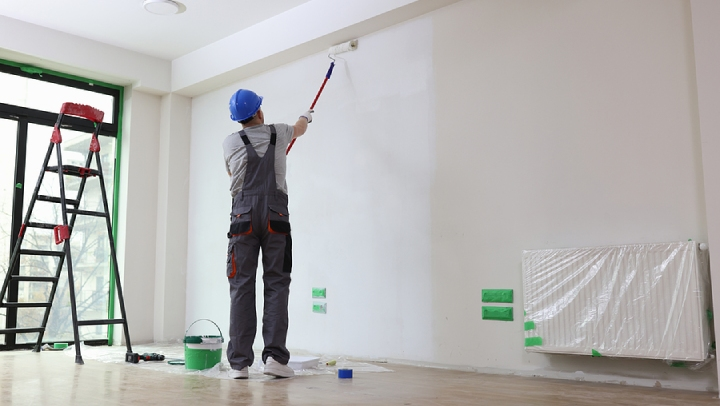
Formaldehyde is a volatile organic compound (VOC) commonly found in adhesives, composite wood products, textiles, paints, and varnishes. Items like desks, partitions, laminated cabinets, and synthetic carpets often contain it. In freshly renovated or newly built offices, the levels of formaldehyde tend to be significantly higher due to the abundance of these materials.
Poor ventilation in air-conditioned office environments can lead to formaldehyde lingering in the air for weeks or even months. As the space is gradually occupied, office workers may begin to experience symptoms such as headaches, eye irritation, respiratory issues, or allergic reactions. For sensitive individuals, these effects can be even more pronounced.
The health risks of prolonged exposure
Extended exposure to formaldehyde can cause both short-term and long-term health concerns. While low-level exposure may only cause minor irritation, higher levels or prolonged contact have been linked to more serious respiratory conditions. The International Agency for Research on Cancer (IARC) classifies formaldehyde as a Group 1 carcinogen — meaning it is known to cause cancer in humans.
Even at lower concentrations, the gas can reduce indoor air quality, leading to decreased productivity, discomfort, and absenteeism in the workplace. For companies that prioritise staff wellbeing, these consequences can have a tangible impact on morale and performance.
Why removal should not be delayed
Waiting for formaldehyde levels to dissipate naturally can take several weeks or even months, depending on ventilation, humidity, and temperature. During this period, employees may continue to work in an unhealthy environment. For newly furnished offices, time is of the essence, especially when business operations are already underway.
Professional formaldehyde removal services are designed to neutralise harmful gases quickly and effectively. At Abba, we offer targeted formaldehyde removal using certified equipment and safe chemical agents that break down VOCs and purify the indoor air. These services are especially important for organisations that want to avoid disruptions and protect their teams right from day one.
Signs your office may need formaldehyde removal
There are a few indicators that your new office space could benefit from a formaldehyde removal service:
- Strong chemical or “new furniture” odour that lingers for days
- Employees complaining of throat, eye, or nose irritation
- Headaches and fatigue that seem to improve outside the office
- A recent renovation or refit involving wood-based furniture or synthetic carpeting
While odour is a telltale sign, some VOCs, including formaldehyde, may not have a strong smell, making professional testing essential.
Cleaning as part of the solution
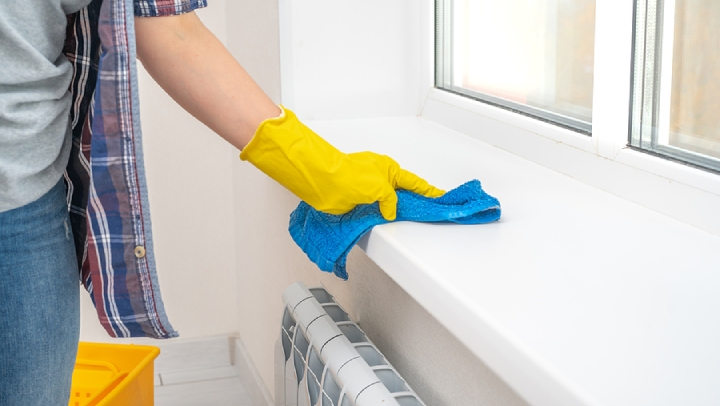
Routine office cleaning is not always enough to remove formaldehyde, but it supports better indoor air quality. Services like carpet shampooing can help reduce VOC emissions from floor coverings, especially if synthetic or adhesive-backed materials were used during installation.
Hiring a reliable cleaning services company that understands the importance of post-renovation cleaning can help identify areas that emit formaldehyde and recommend targeted solutions. Dust, trapped pollutants, and chemical residues often accumulate in nooks and furnishings and need specialised equipment to clean effectively.
A healthier workspace leads to better performance
Creating a healthy office environment boosts more than just air quality — it positively impacts employee satisfaction and productivity. Workers who feel comfortable and safe are more likely to perform at their best and take pride in their workplace. A clean, well-maintained, and toxin-free environment also reflects positively on the company’s image when hosting clients and partners.
Moreover, businesses that take proactive steps to ensure a healthy indoor space demonstrate responsibility and care for their staff, helping with retention and overall workplace culture.
Prevention through careful planning
While formaldehyde removal is often a reactive measure, prevention should be part of office planning. Companies can reduce future formaldehyde concerns by choosing low-emission materials, ventilating spaces before occupation, and scheduling deep cleans before moving in. Air purifiers, green plants, and maintaining moderate humidity levels also contribute to safer air indoors.
It’s wise to consult professionals early in the planning stages. Many cleaning providers now offer post-renovation packages that include formaldehyde testing and treatment as part of a comprehensive indoor hygiene strategy.
Conclusion
Addressing indoor air pollutants like formaldehyde is not just a box to tick — it’s a necessary investment in health, comfort, and performance. As companies seek to attract top talent and create better workplaces, clean air should be at the foundation. To ensure your new office is safe and ready for occupancy, consider partnering with experts who understand the importance of detailed, toxin-conscious cleaning.
Visit Abba to explore solutions that go beyond the surface and support healthier office environments from day one.
 on Google